That’s the part worth sitting with before reaching for easy reassurance. Climate anxiety isn’t a fringe diagnosis anymore; it is becoming background weather for an entire generation. Understanding why takes more than a pep talk about staying positive.
The Future Has Become a Psychological Problem
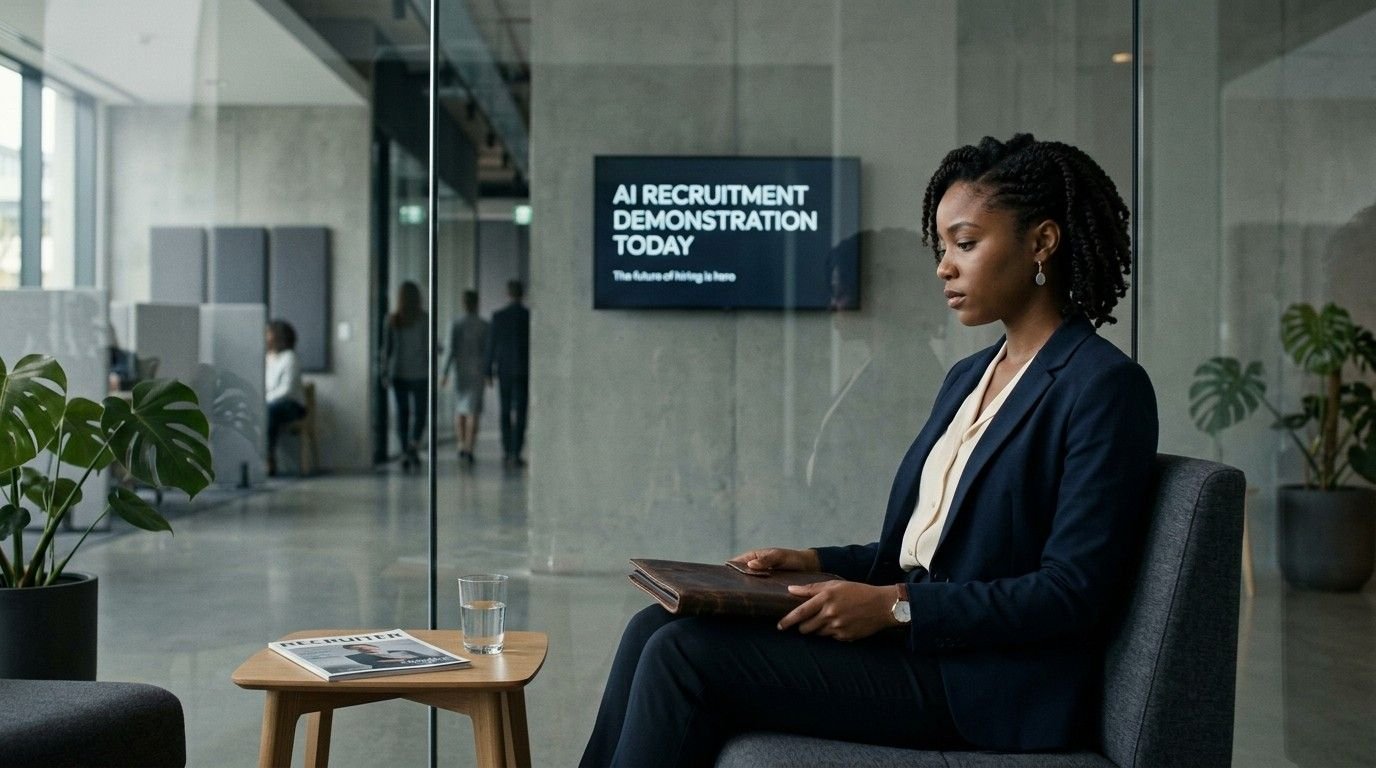
There was a time when worrying about the future meant wondering whether you’d get the job, buy a home, or find someone to marry. Those concerns could feel enormous, but the basic script stayed familiar enough to picture, and most people could sketch the adulthood they were building toward. That script feels increasingly outdated, while climate anxiety adds another layer to an already unstable picture.
A young person can worry about finding meaningful work while wondering if artificial intelligence will change that career entirely. They worry about ever affording a home while watching costs rise, then open their phones to another report of extreme weather. None of this means previous generations had it easy, because they certainly didn’t.
Today’s uncertainty just arrives with far more volume and immediacy. The problem, then, is bigger than climate anxiety alone — it’s what happens when several uncertainties compete for the same limited attention. That competition plays out on a brain that wasn’t built for this much future.
A person can wake up, reach for their phone, and encounter a wildfire, an AI breakthrough, and a war before breakfast. Repeated exposure to potential threats keeps the mind on alert, whether or not any of it touches you directly. Climate anxiety gets particularly difficult here, since climate change is both psychologically distant and potentially enormous.
You can watch footage of a flood or a heatwave within seconds, then read projections about what might happen decades from now. Awareness keeps expanding while personal control stays stubbornly small, and that gap is exhausting. That gap between awareness and agency is where climate anxiety tends to set up camp.
It doesn’t need a crisis to move in. An ordinary scroll through the news is more than enough invitation.
Stop Renting Your Nervous System to the Internet
This is where doomscrolling and climate anxiety start feeding each other, quietly and often. The more frightening information you consume, the more informed you may feel. But if information never leads to action, it can become a form of stimulation in its own right.
Your attention is the environment your thoughts live in—and many of us have handed control of that environment to algorithms designed to keep us watching. Climate anxiety thrives in an environment where every disaster becomes another notification, headline, or argument to referee.
You don’t necessarily need to know less about climate change to feel better. You need to get more selective about what earns repeated access to your attention.
A useful filter is simple: Is this relevant to my life, can I influence it, and will knowing more change what I do? If the answer is no to all three, another alarming story probably isn’t making you better prepared. It’s just giving your anxiety something new to chew on.
I’ve written before about doomscrolling and digital minimalism, because this was never really about the technology. It’s an attention problem, and attention becomes psychological the moment everything gets let through the door.
The problem isn’t that you know too much. It’s that your nervous system rarely gets a chance to stop processing.
Climate Anxiety Doesn’t Mean You’re Irrational
It’s tempting to tell anxious people they’re worrying about things beyond their control, as if naming that limit should make the fear disappear. That advice sounds sensible until you remember climate anxiety exists partly because climate change is a genuine threat, not an imagined one. Young people are being asked to contemplate a future they may actually inhabit, with little control over the decisions shaping it.
That combination matters psychologically, because high awareness paired with low perceived control is almost engineered to produce anxiety. Telling someone not to worry misses the point entirely. The better question is what they can do with the concern, once they accept that the concern is legitimate.
Climate anxiety doesn’t need to be eliminated before it becomes useful. It needs somewhere constructive to go. This is where the ancient Stoics become surprisingly useful for a very modern problem.
Their distinction between what we control, what we can influence, and what remains outside our control gives climate anxiety somewhere to go. Climate change matters enormously, but worrying harder about it doesn’t hand you more influence over emissions, policy, or corporate decisions. Something can matter deeply without being yours to control.
That sounds obvious until you notice how rarely we actually live by it. Modern life keeps nudging us to behave as though caring means carrying everything personally. You can care about climate change without reading every climate headline that crosses your feed.
Anxiety Wants Certainty. Life Won’t Provide It.
Underneath a lot of our anxiety sits a demand that sounds reasonable but is impossible to satisfy. We want someone to tell us what will happen and, ideally, guarantee we’ll be fine when it does. Life has never offered that service, and climate anxiety gets especially hard when we expect certainty from a problem built on complexity and unpredictability.
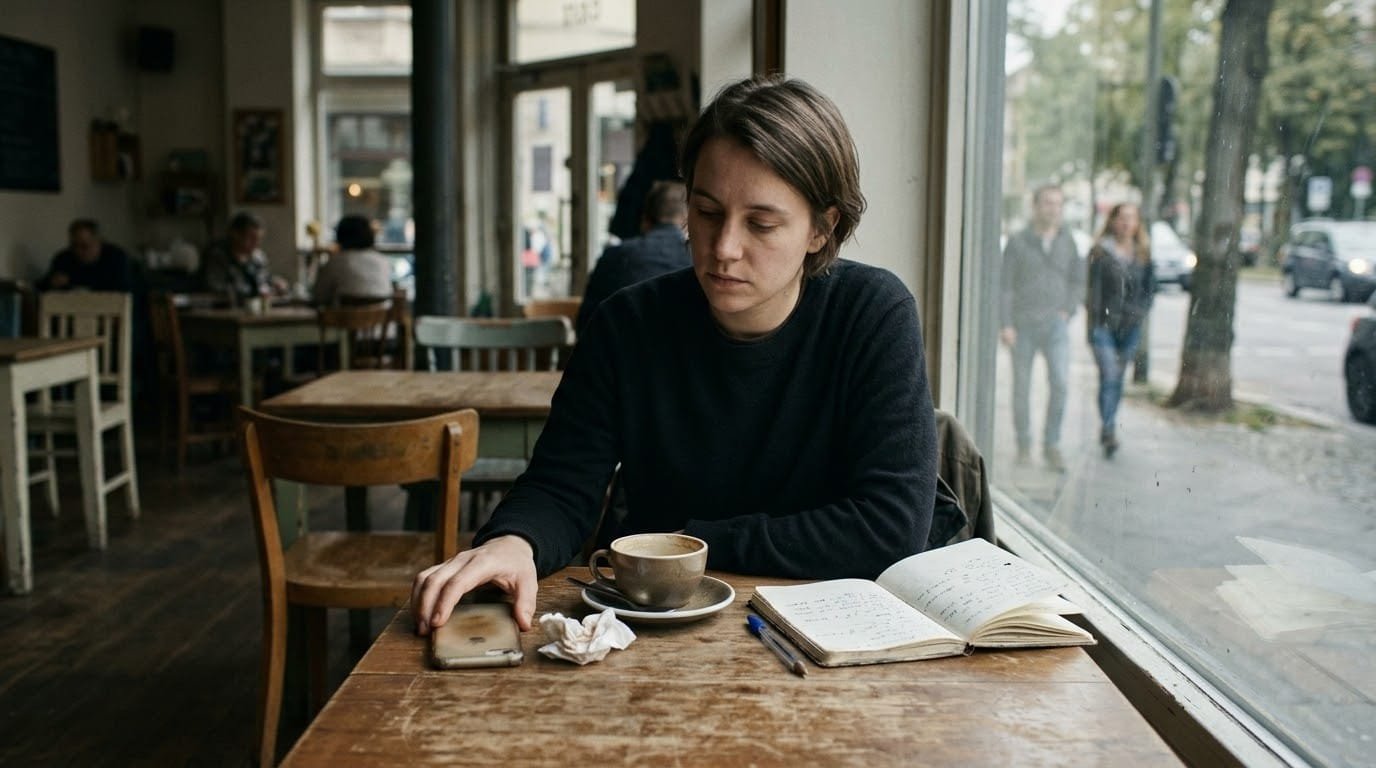
You can prepare carefully and still lose the job. You can build a relationship and still get your heart broken. You can make sensible decisions and still watch reality ignore your spreadsheet entirely.
The same principle holds for climate change. We can prepare, adapt, reduce harm, and advocate without ever receiving a guarantee about the outcome. This is where emotional resilience becomes more useful than reassurance.
Resilience isn’t confidence that everything will work out fine. It’s confidence that you can respond well when it doesn’t. That’s a sturdier thing to build your week around.
Build Adaptive Confidence Instead
There’s a useful difference between predictive confidence and adaptive confidence. Predictive confidence says, “I know things will be okay.” Adaptive confidence says, “I don’t know what happens next, but I’ll deal with whatever arrives.”
Climate anxiety feeds heavily on the first, since climate change makes prediction unusually uncomfortable. Adaptive confidence asks a different question: Are you becoming capable enough to meet an uncertain future?
That changes the psychological task completely. You don’t need to become fearless to function. You need to become less dependent on certainty before taking the next step.
When the future feels unstable, the brain gets more interested in immediate comfort because pleasure doesn’t require a five-year forecast. This is where doom spending, doomscrolling, bed rotting, and endless distraction start looking strangely reasonable. Why save, build, or plan when climate anxiety keeps insisting the future is becoming less predictable by the week?
The problem usually isn’t laziness. Sometimes you’re simply exhausted from trying to solve problems that were never yours to solve alone. But avoidance has a nasty trick: it shrinks today’s discomfort while quietly making tomorrow’s life smaller.
Live Well Without Knowing What Comes Next
If the world refuses to become predictable, maybe the answer isn’t waiting for it to settle down. Maybe the answer is building enough personal stability that you don’t need the world to before you can function. This isn’t about becoming some serene monk who smiles while everything around him catches fire.
It’s much less glamorous than that. Protect your attention, take care of your body, and maintain relationships that exist outside a screen. Develop skills that stay meaningful even as technology changes, and build something that genuinely requires your participation.
There is also a reason time outdoors keeps appearing in conversations about psychological wellbeing. When you’ve spent hours processing planetary problems through a screen, walking through an actual landscape gives your mind something immediate to experience instead. A park won’t solve climate change, but it can remind you that you’re a body living somewhere rather than a brain floating inside the internet.
None of this will solve climate change or erase climate anxiety on its own. It does something smaller but psychologically important: it reminds you that your life is still happening at human scale. You can influence what you read, how you spend your money, who gets your attention, and what kind of person you become.
That may sound disappointingly modest next to a problem this size.
Good.
Modesty is underrated when the alternative is trying to mentally carry the entire planet. Nobody’s nervous system was built for that job.
Stoicism Was Never About Not Caring
The popular version of Stoicism sometimes sounds like emotional anesthesia — nothing bothers you, nothing touches you, and you calmly sip tea while everything burns.
That isn’t Stoicism, and it was never meant to be.
The real Stoic project is more demanding, because it asks you to stay engaged without pretending you control the outcome. You act where action is actually possible. You accept what isn’t yours to change.
Then you return your attention to the life sitting directly in front of you.
That doesn’t mean becoming passive — quite the opposite, in fact. A person who understands the real limits of their control can spend their energy far more deliberately. They can care about climate change without making climate anxiety their permanent psychological weather.
They can treat artificial intelligence seriously without monitoring every technological development like the arrival of the apocalypse. That’s the sweet spot: engagement without psychological possession.
You care, you act on what’s actually yours to act on, and you let the rest belong to reality. It’s a harder discipline than indifference, and a far more useful one.
You Don’t Need a Better Forecast
The future may get stranger before it gets clearer. Artificial intelligence will change things we currently assume are stable, and climate disruption will create problems we can’t neatly solve.
Pretending otherwise would be insulting to anyone paying attention.
But the opposite response doesn’t help either. You don’t need to consume every frightening prediction to prove that you care. You don’t need to go numb to survive uncertainty.
And you certainly don’t need to put your life on hold until the world feels safe enough to enjoy. It probably won’t. It never really has.
The future has never been a place we could enter with guarantees — only one we walk toward, knowing little about what’s around the corner. The difference now is that our phones let us worry about the whole planet before we’ve even brushed our teeth.
So perhaps the task isn’t learning how to feel certain about tomorrow. Perhaps it’s learning how to stay capable today. That means managing what enters your mind, separating concern from control, and noticing when coping quietly turns into avoidance.
Then keep living.
Not because everything will be fine, but because your life is happening right now — and climate anxiety doesn’t get to have all of it.